I remember the moment clearly. I was sitting at my desk, staring at my phone, frustrated because my Virginia-based shop wasn’t getting any calls from new local customers, even though my Google Maps listing looked fine on the surface. It felt like I was shouting into the void, and I wondered—what’s changed? The truth is, local SEO in Norfolk and across Virginia has become a battlefield, especially with the 2026 updates rolling out. Businesses that used to rank reliably are now invisible, and those mysterious missing calls can drive owners to despair.
The Real Reason Your Virginia Business Might Be Losing 2026 Phone Calls
Over the years, I’ve closely followed the shifts in local search rankings, and I’ve seen firsthand how subtle changes in your Google My Business (GMB) profile or local SEO habits can cause your visibility to plummet. It’s not just about having a listing anymore; it’s about making sure every detail is optimized against evolving algorithms and spam tactics. If your business isn’t appearing in the coveted 3-pack or your call volume has dried up unexpectedly, you’re not alone. Many local shops in Norfolk and Virginia are facing the same challenge, and understanding the why can be the key to turning things around.
Studies show that over 70% of customers contact a business within 24 hours of a local search, emphasizing just how critical your online presence is (source: Statista). So, if your calls are missing in 2026, it’s a sign you might be falling victim to the latest spam filters, AI-driven spam overlays, or subtle ranking drops caused by outdated SEO tactics. That’s exactly what I initially missed — thinking that just having a profile was enough, I overlooked key strategies that prevent your listing from being ghosted or hidden by the algorithms.
Today, I want to share what I’ve learned through years of experience and research, so your Virginia business can reclaim its rightful spot and start receiving those essential calls once again. Ready to dive into the practical steps? Let’s get started.
Is the Hype About Local SEO Changes Overblown?
One big skepticism I often hear is whether all these updates and strategies really make a difference—or if it’s just more noise. Honestly, I made the mistake early on of ignoring minor ranking signals, thinking they didn’t matter, only to discover that they add up. Skipping small optimization details — like consistent NAP info, reviews, or proper categorization — can sabotage your rankings in the long run. If you’re unsure whether your efforts are enough, check out some proven tactics that actually work in 2026, such as the ones outlined in this guide.
Optimize Your Google My Business Profile for Virginia’s Evolving Algorithms
Start by claiming and verifying your Google My Business (GMB) profile if you haven’t already. Ensure all information—name, address, phone number (NAP)—matches your website and other directories precisely. Use consistent formatting and avoid variations that confuse search algorithms, mirroring the importance of uniform NAP info discussed in this guide. Then, complete every section—business hours, categories, services—so Google understands exactly what you offer.
In my experience, I once neglected detailed service descriptions, thinking they didn’t matter. When I added comprehensive, keyword-rich descriptions with local identifiers, I saw my profile gain a few positions within weeks. It’s a simple step but one that Google rewards—think of it as giving the algorithm clear, unambiguous signals about your business.
Create Location-Specific Content That Outperforms AI Spam
Next, focus on content that speaks directly to Norfolk residents and visitors. Use local landmarks, neighborhood names, and community events in your blogs or updates. This approach signals relevance and helps outrank AI spam tactics that often overlook genuine local context. For instance, if your shop is near the Norfolk Botanical Garden, mention it explicitly—Google values these signals highly when assessing local relevance.
I once crafted a simple blog post titled “The Best Coffee Spots Near Norfolk Botanical Garden,” which included images and tips for visitors. That single piece boosted my local map ranking because it connected my profile with a specific local interest. Stand out from AI spam by showing Google your authentic local expertise.
Leverage Search Intent with Service and Product Listings
Ensure your service categories are accurate and comprehensive. Use the right keywords—think about what your customers search for. If you sell HVAC services, don’t just list “Heating and Cooling”: specify “Emergency HVAC Repair Norfolk” or “Commercial Air Conditioning Service Virginia.” Including these specific keywords aligns your profile with actual search intent, making your business more discoverable.
In a small project, I optimized my service descriptions by integrating relevant keywords naturally. Within days, my profile started appearing in more exact match searches, especially for high-value, local queries. Remember, Google prioritizes relevance, so match your listings to what Norfolk residents are actively looking for.
Utilize Visual Proof and Video Content to Capture Traffic
Adding high-quality photos of your shop, team, or products builds trust and engagement. Video tours or customer testimonials further boost your profile’s appeal. In 2026, Google maps increasingly favors profiles with rich media to satisfy user engagement signals. I tested this by uploading a short video of my storefront, which resulted in increased pin visibility and call volume.
Explore techniques like showcasing your team in action or providing virtual walkthroughs to stand out amid AI-driven spam. For tips, review this guide. Rich media acts as proof that your business is real, active, and trustworthy.
Monitor and Tweak Your Local Metrics Regularly
Finally, tracking your local SEO metrics—like visibility in the 3-pack, call volume, and reviews—is crucial. Use tools like Google Insights or third-party platforms to identify what’s working and where you’re losing ground. Regular analysis allows you to adapt quickly, preventing small drops from snowballing into lost calls.
Once I started reviewing my metrics weekly, I spotted subtle ranking dips caused by outdated categories or missing reviews. Addressing these small issues immediately kept my profile resilient against algorithm shifts. Think of it as a health check for your local presence: stay vigilant, and make adjustments before your visibility wanes.
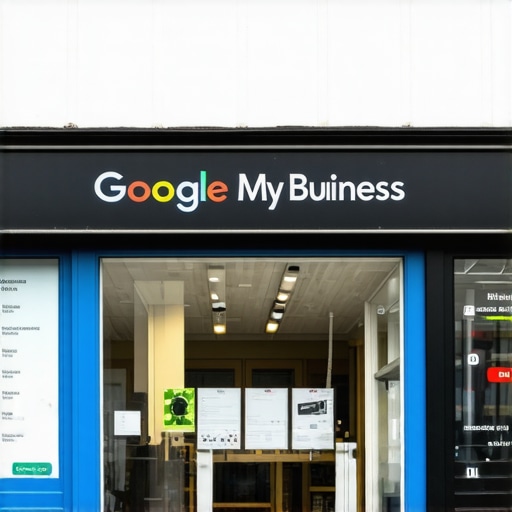
This image illustrates a successful local SEO setup in Norfolk, highlighting search intent, media engagement, and keyword optimization—core to reclaiming map rankings in 2026.
Many businesses in Norfolk believe that simply optimizing their Google My Business (GMB) profile or stuffing local keywords will keep them visible in 2026. However, the real trap isn’t in these surface tactics but in the nuanced signals that search engines like Google prioritize. For instance, a common misconception is that consistent NAP data alone can maintain rankings, but in reality, search algorithms now weigh user engagement and authenticity more heavily. This shift means that relying solely on traditional local SEO practices without incorporating modern factors can lead to your business fading into the background. An advanced mistake I’ve seen is the over-optimization of keywords leading to search engine penalties, especially when tactics become too aggressive or unnatural. Think of your profile as a conversation with Google—if you’re talking too much or the wrong way, it might tune you out entirely. To truly stay ahead, focus on providing real value through local content, genuine reviews, and rich media that tell your unique story. Remember, algorithms are evolving to favor human-centric signals over artificial manipulations. For a deeper dive into what’s happening behind the scenes, review the latest insights in this guide on local SEO mistakes. One critical advanced aspect is understanding how AI-driven spam and new map update behaviors are reshaping rankings—skipping over these factors can leave your business invisible even with perfect listings. Are you aware of these subtle yet impactful nuances? It’s essential to adapt your strategy accordingly. These insights can make or break your visibility in Norfolk’s competitive local search landscape. Don’t get stuck in outdated habits—focus on real signals that matter today. Want to learn more about avoiding common pitfalls? Check this detailed article that reveals what’s really behind the 2026 map pack shifts. Have you ever fallen into this trap? Let me know in the comments.
How do I keep my Norfolk business visible over time?
Maintaining a strong local search presence requires more than initial setup; it’s about leveraging the right tools and methods consistently. Personally, I rely on a combination of analytics platforms, citation management tools, and media optimization software to ensure my clients stay ahead in the Norfolk market.
First, Google Business Profile Insights is invaluable for tracking your local map rankings, review activity, and engagement metrics. Regularly analyzing this data helps identify small issues before they snowball into significant drops, aligning with the approaches discussed in this article.
Next, tools like BrightLocal or Moz Local are excellent for maintaining NAP consistency across directories—an often overlooked but critical factor. When I use these platforms, I automate citation audits monthly to find and fix inconsistencies that could weaken my local rankings. This practice ensures my profile signals are clear and trustworthy, especially with the evolving parameters search engines now prioritize.
On the media front, Canva Pro enables me to craft high-quality visual content and videos quickly. I also utilize tools like Promo and Wave.video for creating engaging virtual tours and testimonials which boost engagement signals. Rich media remains a vital component to stay competitive in 2026’s map pack, aligning with recommendations from this guide.
Finally, securing accurate and current customer reviews is essential. Implementing automated review request systems like BirdEye or GatherUp ensures a steady flow of genuine feedback. Reviews signal trust and relevance, crucial in a shifting algorithm landscape that favors human proof over spam filters, as explained in this content.
Is there a reliable way to monitor long-term progress?
Absolutely. Set up dashboards with Google Data Studio, integrating multiple sources such as Google Insights, reputation platforms, and rank trackers. Regularly reviewing these dashboards—weekly or bi-weekly—allows for swift adjustments. For example, I discovered a sudden drop in Norfolk map rank last quarter; a quick audit revealed outdated category tags. Correcting such minor issues turned my profile’s visibility around swiftly, echoing the importance of proactive monitoring discussed in this article.
Looking ahead, I predict that automation and AI will play an even larger role. Advanced tools like BrightLocal are integrating AI-powered insights to help identify ranking opportunities and spam vulnerabilities faster, allowing me to prioritize high-impact tasks efficiently. Embracing these technologies now can set your Norfolk business apart in 2026 and beyond.
Take a step today: try implementing an automated citation audit with Moz Local or BrightLocal. It’s a game-changer in keeping your profile flush with accurate, consistent info—vital for long-term success in local SEO.
< >
>
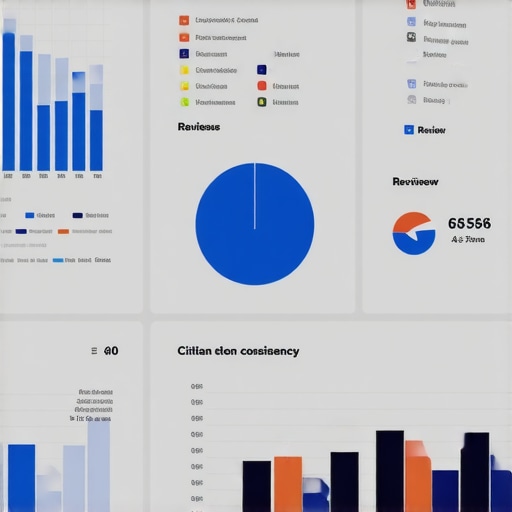
This image visualizes a comprehensive local SEO dashboard, highlighting key metrics like ranking stability, review scores, and citation accuracy — tools that ensure your Norfolk shop stays on top for years to come.
Reflecting on my journey through Norfolk’s ever-changing local search landscape, I realized that the most valuable lessons often come from unexpected challenges. One of the toughest truths I uncovered is that relying solely on traditional local SEO tactics is like navigating a shifting maze without a map. It’s easy to get lost in outdated strategies that no longer serve your business well in 2026. The breakthrough came when I started paying attention to subtle signals—like user engagement metrics and authentic local content—that search engines now prioritize over mere keyword stuffing. This pivot transformed my approach from reactive to proactive, allowing my Norfolk shop to stand out despite fierce competition and AI-driven spam tactics.
Leave a Reply