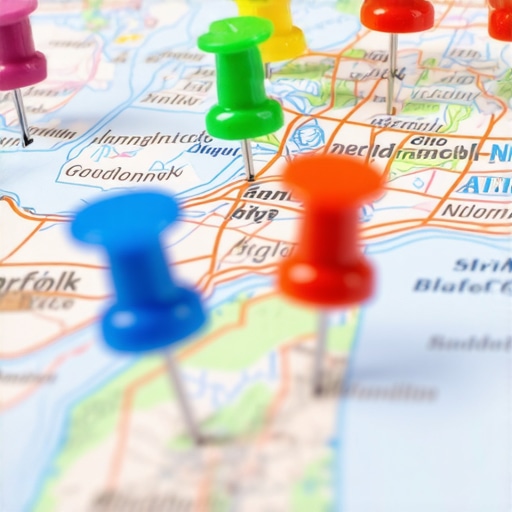
I vividly remember the moment I realized my Norfolk shop’s location on Google Maps had vanished overnight. One day, the pin was there, proud and visible; the next morning, it was gone, replaced by a ghosted placeholder. Frustration mixed with disbelief. How could a simple name change cause my entire local presence to evaporate seemingly without warning? This lightbulb moment revealed a frustrating truth about local SEO and Google Maps: sometimes, even minor updates can dismantle your hard-earned visibility if you’re not careful.
When a Name Change Turns Your Map Pins into Ghosts
If you’re like me, you care deeply about your local visibility. You invest time in creating a welcoming space, optimizing your website, and managing your GMB profile. But suddenly, after a name change—perhaps rebranding or updating your business info—your Norfolk map pin goes dark. It’s like all those years of efforts just slipped through the cracks. And here’s the kicker: Google doesn’t always notify you of potential ranking drops or pin disappearances. Instead, you’re left wondering why your customers can’t find you anymore.
This problem isn’t just a minor inconvenience. It can threaten your local sales, reputation, and even employee morale. Many local businesses have reported losing numerous calls and visits because of these unanticipated drops in map visibility. I learned this the hard way early in my SEO journey, making the mistake of not understanding the underlying causes. Trust me, I went down a rabbit hole trying to fix this, only to realize that the core issue lies in how Google processes business info changes. According to recent research by BrightLocal, nearly 83% of consumers rely on Google Maps to find local businesses, highlighting how vital visibility truly is (BrightLocal 2023 Local Consumer Review Survey).
Today, I want to share what I’ve learned about how changing your business name can impact your map pin and, more importantly, how to proactively prevent or recover from these disappearances. If you’ve faced this problem, stick around—I’ll guide you through the solutions that helped me and many others reclaim lost visibility.
Is This Map Pin Issue Actually Wrecking Your Business?
It’s natural to wonder if these esoteric map glitches are worth your worry. Early on, I dismissed my disappearing pin as a temporary glitch, only to realize it persisted for weeks. The truth is, these issues can significantly reduce your local leads if left unchecked. Half the battle is recognizing when your ranking drops are due to changes like a business name update, not just algorithm fluctuations. I made the mistake of ignoring minor signs and thought my efforts were futile until I saw the tangible impact on my calls and visits. For a comprehensive guide on what might be causing your visibility drops, check out this detailed post.
Understanding these nuances can be game-changing. Curious if your Norfolk business is suffering from similar setbacks? Keep reading, because the upcoming steps aren’t just guesswork—they’re proven tactics to ensure your map pin stays visible, regardless of name changes or updates. Let’s dive into how you can make yourself impossible to ignore on Google Maps and protect your local presence.
.
Verify Your Business Information on Google
The first step is to ensure that your Google My Business (GMB) listing accurately reflects your new business name and details. Log into your Google account, access your GMB dashboard, and double-check all information for consistency. Slight discrepancies can cause Google to de-prioritize or hide your listing, especially after a name change. Correct any inaccuracies immediately.
Optimize Your Google My Business Profile
Next, enhance your profile with relevant keywords, high-quality photos, and complete info. Use localized terms like “Norfolk SEO experts” or “Virginia local shop” naturally within your descriptions. This improves your map visibility and signals to Google that your business is active and relevant. Additionally, leverage the tools in this guide to fine-tune offline signals that influence local rankings.
Adjust Business Categories and Attributes
Choose the most specific categories that match your services. For example, instead of just selecting “Retail,” specify “Clothing Store” or “Electronics Repair.” Accurate categories help Google associate your business with relevant searches in Norfolk and Virginia. Also, add attributes like “Wheelchair Accessible” or “Wi-Fi available” to provide more signals that attract local customers.
Get Local Citations and Consistent NAP Data
Build citations across local directories—Yelp, TripAdvisor, and industry-specific sites—using the exact business name, address, and phone number (NAP). Inconsistent citations can confuse Google, causing your pin to become ghosted. Use these fixes to correct listing discrepancies and re-establish your presence.
Encourage Verified Customer Reviews
Reviews are critical signals for local rankings and customer trust. Reach out to loyal customers, asking them to leave honest reviews. Be sure to respond promptly and professionally to each review, showing Google and potential customers your active engagement. The more positive reviews you gather, the more credible your listing becomes, helping it rise in local search and map packs.
Leverage Offline and Behavioral Signals
Offline signals like signage, local partnerships, and community involvement support your online visibility. For example, placing signs with your NAP info or participating in local events boosts signals that Google picks up. Additionally, behavioral signals such as increased phone calls, visits, or check-ins reinforce your relevance in Norfolk and surrounding areas. Check out this article for tactics to boost offline signals effectively.
Monitor and Tweak Regularly
Stay vigilant by tracking your local rankings and map pin status. Use tools like Google My Business insights and local SEO audit tools to detect declines or issues early. When you notice a drop, revisit your profile, citations, or reviews. Regular updates and cleanups prevent your listing from becoming ghosted again and keep your visibility robust.
Throughout this process, consistency is key. The more diligent you are about aligning your online and offline signals, the faster your Norfolk shop will climb back into the local map pack. Remember, Google favors active, accurate, and authoritative profiles—built through intentional actions rather than guesswork.
Many local businesses in Norfolk and Virginia believe that optimizing their Google My Business profile with basic details is enough to rank high in local searches. However, this misconception overlooks critical nuances that can make or break your visibility. For instance, a common myth is that once your GMB listing is set up, consistent activity isn’t necessary. In reality, Google favors active, engaging profiles that demonstrate ongoing relevance, such as frequent updates, responses to reviews, and offline signals. Ignoring this can cause your ranking to stagnate or even decline over time.
Another trap many fall into is overemphasizing keyword stuffing in descriptions and reviews, thinking more is better. Such tactics can lead to penalties and reduce trust with both Google and potential customers. Instead, focusing on natural, user-centric content that reflects your true offerings and community involvement is far more effective for long-term ranking stability.
Advanced local SEO success also hinges on understanding the subtleties of local ranking factors. For example, proximity is often considered the primary factor, but recent studies suggest that Google also heavily weights behavioral signals, like click-through rates and engagement, especially for competitive keywords in Norfolk. As such, optimizing for these off-page signals—through targeted call-to-actions, local content, and offline community presence—can significantly elevate your visibility.
Have you ever fallen into this trap? Let me know in the comments.
One critical nuance is how confusion around Google Maps’ algorithm updates can mislead business owners. Many assume that once they’ve optimized their profile, their rankings will be stable, but local SEO is dynamic, constantly shifting with algorithm changes. Staying ahead requires ongoing monitoring and adaptation, such as tweaking your citations, reviews, and profile attributes in response to these updates.
For example, recent research emphasizes the importance of offline signals—like signage and local partnerships—in influencing local rankings. These factors are often underestimated but can provide a competitive edge, especially in a tight-knit community like Norfolk.
Make sure you’re not missing these key points by regularly auditing your local SEO efforts and staying updated with the latest best practices. Check out how these nuanced signals and strategic actions can rescue or boost your ranking by exploring posts like this guide.
Remember, local SEO isn’t just about the initial setup—it’s a continuous game of adapting to Google’s evolving preferences. Mastering these hidden nuances can dramatically improve your visibility and sustained growth in Norfolk and beyond.
Keep Your Local SEO Engine Running Smoothly
Maintaining your Norfolk business’s visibility on Google Maps and in local search results requires more than initial setup; it demands consistent effort and the right tools. Over the years, I’ve honed my toolkit to ensure my listings stay optimized and my rankings improve steadily. One fundamental tool I rely on is BrightLocal. Its comprehensive dashboard provides valuable insights into your local rankings, citation consistency, and review performance—allowing me to catch potential drops before they impact my business. Learn more about local ranking factors here.
For citation management, I swear by Whitespark’s Citation Finder. It helps me track existing citations and identify opportunities for new, high-quality listings across Virginia directories. Consistent NAP data across these platforms ensures Google sees my business as trustworthy, which is critical given the nuances explained in recent studies Google’s official guidelines.
Google My Business (GMB) optimization is ongoing for me. I utilize GMB.ai, an AI-assisted tool that streamlines profile updates, reviews responses, and post scheduling. Its automation capabilities save me hours each week, freeing me to focus on community engagement and content creation. Staying active on GMB not only boosts my local visibility but helps me stay ahead of AI-driven search changes predicted for 2026.
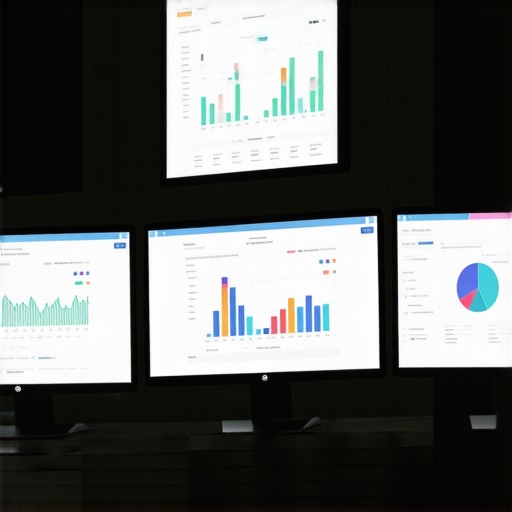
If you’re serious about long-term results, I also recommend investing in Google Search Console. Its detailed performance reports reveal how users discover your Norfolk business via search, which keywords are driving traffic, and where you might be losing ground. This real data directs your SEO tweaks and content priorities effectively.
How do I maintain my local rankings over time?
Frequent audits and updates are vital. Regularly review your citations for discrepancies, respond to reviews, and monitor your GMB insights. Keeping a close eye on your local SEO health—using tools like BrightLocal and Search Console—ensures you catch ranking declines early. In the rapidly evolving world of 2026 SEO, relying solely on one method isn’t enough; diversification and automation are your best allies. For example, applying the advanced local rank fixing strategies can be a game-changer in competitive Norfolk markets.
Looking ahead, I predict that AI analysis of local signals will become even more precise. Staying ahead means integrating new tools and data sources as they emerge. For now, start by implementing regular citation audits with Whitespark or automating your GMB activity with GMB.ai. Experiment with one of these tools today—your Norfolk business’s long-term visibility may depend on it.
What I Didn’t Expect About Map Visibility and Business Reputations
The biggest lightbulb moment in my journey revealed that even a minor business name change could invisibly cripple my Norfolk shop’s online presence, teaching me that local SEO isn’t just about keywords but about nuanced signals only experts understand. I learned the hard way that consistency across citations, active engagement on Google My Business, and offline community signals are the unsung heroes of map ranking stability. Realizing this changed my entire approach, making me focus on continuous monitoring, proactive updates, and community involvement—not just a one-time setup.
My Proven Arsenal for Sustaining Norfolk Map Rankings
For those aiming to boost and protect their local map visibility, I swear by tools like BrightLocal for tracking rankings, citation datasets from Whitespark for citation consistency, and GMB.ai to automate engagement. These tools not only save time but also give clarity on where your local SEO efforts need boosting. Combining these with strong offline signals like signage and community events creates a fortress around your Norfolk SEO that Google trusts.
Keep Pushing Forward: Your Map Visibility Matters More Than Ever
The world of local SEO, especially in 2026, demands continuous effort and adaptation. My experience shows that proactive management, embracing new tools, and nurturing offline community ties are the keys to not just regaining lost map rankings but consistently staying ahead of competitors. I encourage you to start experimenting with one new tactic today—whether it’s auditing your citations more regularly or engaging more authentically with local reviews—and watch your Norfolk business’s visibility grow. Your customers are searching for you—make sure they find your map first.
Have you ever faced a mysterious drop in your local map visibility, and how did you handle it? Share your story below—let’s learn together from each other’s wins and lessons.